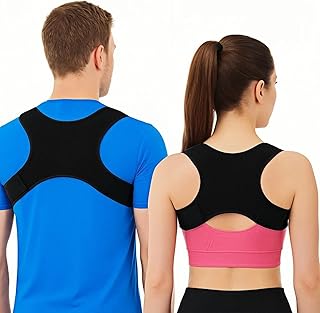
In today's digital age, where hours are spent hunched over computers and smartphones, poor posture has become a widespread issue affecting millions. The consequences extend beyond aesthetics, leading to chronic pain, reduced mobility, and decreased confidence. Fortunately, Posture Correctors offer a practical, non-invasive solution to combat slouching, hunchback, and the associated discomfort. These devices are designed to gently retrain your muscles and spine into a healthier alignment, providing both immediate support and long-term postural benefits.
Understanding Posture Correctors: More Than Just a Brace
A posture corrector is not merely a rigid brace. It's an ergonomic aid that works by providing sensory feedback and physical support to your upper back, shoulders, and sometimes the lumbar region. By pulling your shoulders back and aligning your spine, it counteracts the forward head posture and rounded shoulders typical of desk jobs and phone use. The goal is twofold: to offer pain relief from muscle strain and to encourage your body to memorize the correct position over time.
Key Benefits of Using a Posture Corrector
The advantages of integrating a posture aid into your routine are significant. Primarily, users experience a noticeable reduction in neck, shoulder, and upper back pain caused by prolonged poor posture. By improving spinal alignment, these devices can also aid in hunchback correction (kyphosis) and provide supportive scoliosis support. Beyond pain management, better posture enhances breathing capacity, increases energy levels, and projects a more confident appearance.
How to Choose the Right Posture Corrector for You
With numerous options on the market, selecting the ideal back brace support can be daunting. Here are the crucial features to consider:
1. Adjustability and Fit
An adjustable posture brace is essential for a customized and effective fit. Look for products with multiple adjustment points on the shoulders and torso. For example, the HLOES Posture Corrector and the KNXWALT Posture Corrector feature adjustable straps that allow you to control the level of support, making them suitable for various body types and correction stages.
2. Comfort and Breathability
Since you'll likely wear it for extended periods, comfort is paramount. A comfortable posture aid made from breathable, lightweight materials prevents skin irritation and overheating. Many modern correctors, like the Upgraded Breathable Full Back Support model, utilize mesh panels for enhanced airflow, ensuring you can wear them discreetly under clothing without discomfort.
3. Targeted Support and Design
Consider where you need the most support. Some braces focus on the upper back and shoulders as an adjustable shoulder straightener, ideal for correcting slouching. Others, like the Kepwaa Full Back Brace, offer comprehensive thoracic and lumbar support, beneficial for lower back issues or more severe postural problems.
4. Discretion and Daily Wear
For those who want to correct their posture inconspicuously at work or in social settings, an invisible posture aid is key. Models like the Fit Geno Invisilite and the Vaunn® Back Correction Belt are specifically designed to be lightweight and virtually undetectable under clothes, promoting consistent use.
Top-Rated Posture Corrector Options to Explore
Based on user reviews and features, here are a few highly-regarded choices:
For Women Seeking a Discreet Fit: The Fit Geno Posture Corrector for Women is a popular back brace for women, offering adjustable, lightweight support that's easy to wear daily.
For Comprehensive Pain Relief: The UltraSupport+ Posture Corrector is praised for its comfort and effectiveness in providing pain relief from slumping shoulders and hunching.
For Colorful and Supportive Options: The WNIEYO Back Brace Posture Corrector combines functionality with style, acting as an effective shoulder straightener.
How to Use a Posture Corrector Effectively
To maximize benefits, start by wearing your posture support device for 15-30 minutes a day, gradually increasing the duration as your muscles adapt. It should feel supportive but not painfully restrictive. Always combine its use with strengthening exercises for your core and back muscles. For a detailed guide on usage and best practices, check out this comprehensive Posture Corrector Usage Guide.
Investing in a quality posture corrector can be a transformative step towards better health & wellness. By providing the necessary support and feedback, these devices empower you to break the cycle of poor posture and chronic pain. Remember, consistency is key. Whether you choose an adjustable, breathable, or invisible model, the right back support can help you stand taller, feel better, and move through your day with greater ease and confidence. For more comparisons and in-depth reviews, such as the KNXWALT Posture Corrector Review, exploring your options is the first step to a straighter, healthier back.